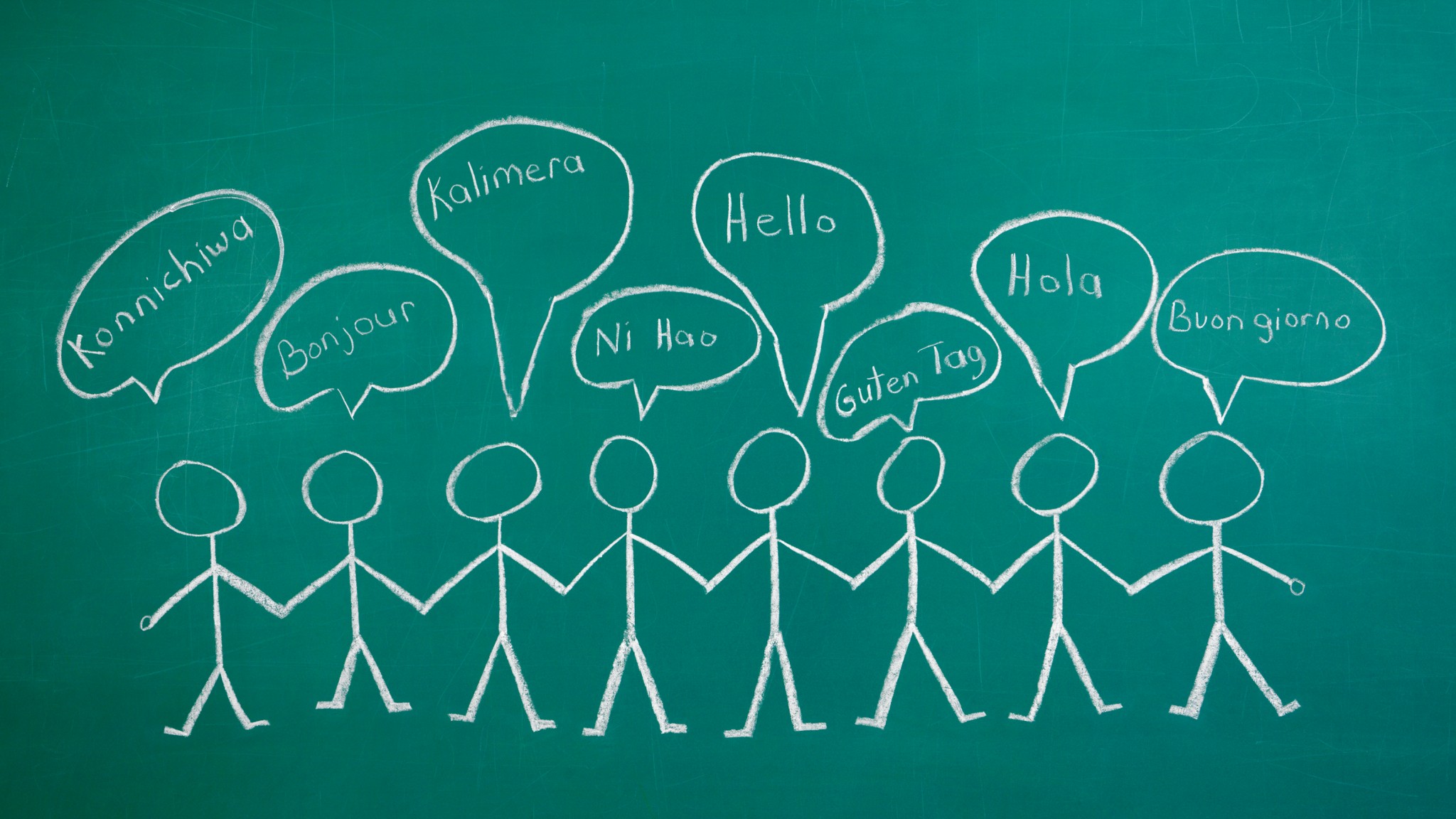
Lost in translation?
Communication across Cultures in Practice
On the previous two pages, we have outlined the theory of intercultural communication. But what about the practice?
In practice, you have already taken the first, essential, step towards cross-cultural competence: You know that cultures are multi-layered and that various differences exist between cultures. Moreover, it’s also of supreme importance to be aware of your own cultural “programming”.
Intercultural Awareness
Your own culture is like the color of your eyes. You don’t notice it yourself, but when you are interacting with others, it’s plain for them to see. To find out what your eyes look like, you have to gaze into a mirror, and it will show you your reflection. To become aware of your cultural bias, you have to reflect on what your own culture is like.
Intercultural Knowledge
In a second step, you can gather knowledge about the new culture you are going to immerse yourself in. A lot of the things you will learn about touch the outer layers of the “onion” model:
- food, cuisine, shopping
- festivals and rituals
- dress codes
- forms of address and greetings
- local language
- gestures and body language
- attitudes towards smoking, alcohol, and drugs
- gift-giving and neighborliness
- daily schedules
- political system and organization
However, you will quickly notice that many unspoken attitudes and norms, which local people simply consider “common sense”, touch upon the inner layer of the “onion”. A culture’s specific beliefs about various aspects of life influence many unwritten rules, e.g:
- relationship to time
- personal space and eye contact
- gender roles and family life
- social classes and ethnic groups
- attitudes towards rules, authority, and seniority
- work ethic and behavior in the workplace
Understanding the core of the onion, i.e. the five innermost dimensions of a culture according to the previously mentioned model, might also help you understand more about customs you can easily observe and imitate. For example, the dimension of hierarchy explains fairly obviously why elaborate greeting rituals in formal settings are more important in some cultures.
Intercultural Skills
In the end, you should be able to develop intercultural skills. You should be able to interact with the people from your new culture without automatically falling back on your own cultural assumptions – even if this means adopting an outlook that you may not always share.
Still remain prepared to be surprised by your host country. No matter how much you learn about intercultural communication, never assume that you can actually reduce a culture to the models, tips, and guidelines meant to support strangers.
It’s Always More Complicated
Any national culture is not necessarily homogeneous. It is not uniform throughout, and culture may not be the same everywhere in the country. There might be sub-cultures differing due to strong regional or religious influences, or due to immigrants mixing the two cultures they navigate daily.
Moreover, this model is – albeit influential – only a model. Inventor Geert Hofsteede’s index, which profiles many business cultures according to five dimensions, can give you useful pointers about a culture’s fundamental values. But cultural core values can change, although they tend to do so slowly.
Moreover, an individual’s personal traits are not all determined by their culture. The dimensions of cultural values describe general tendencies rather than absolute and eternal truths.


