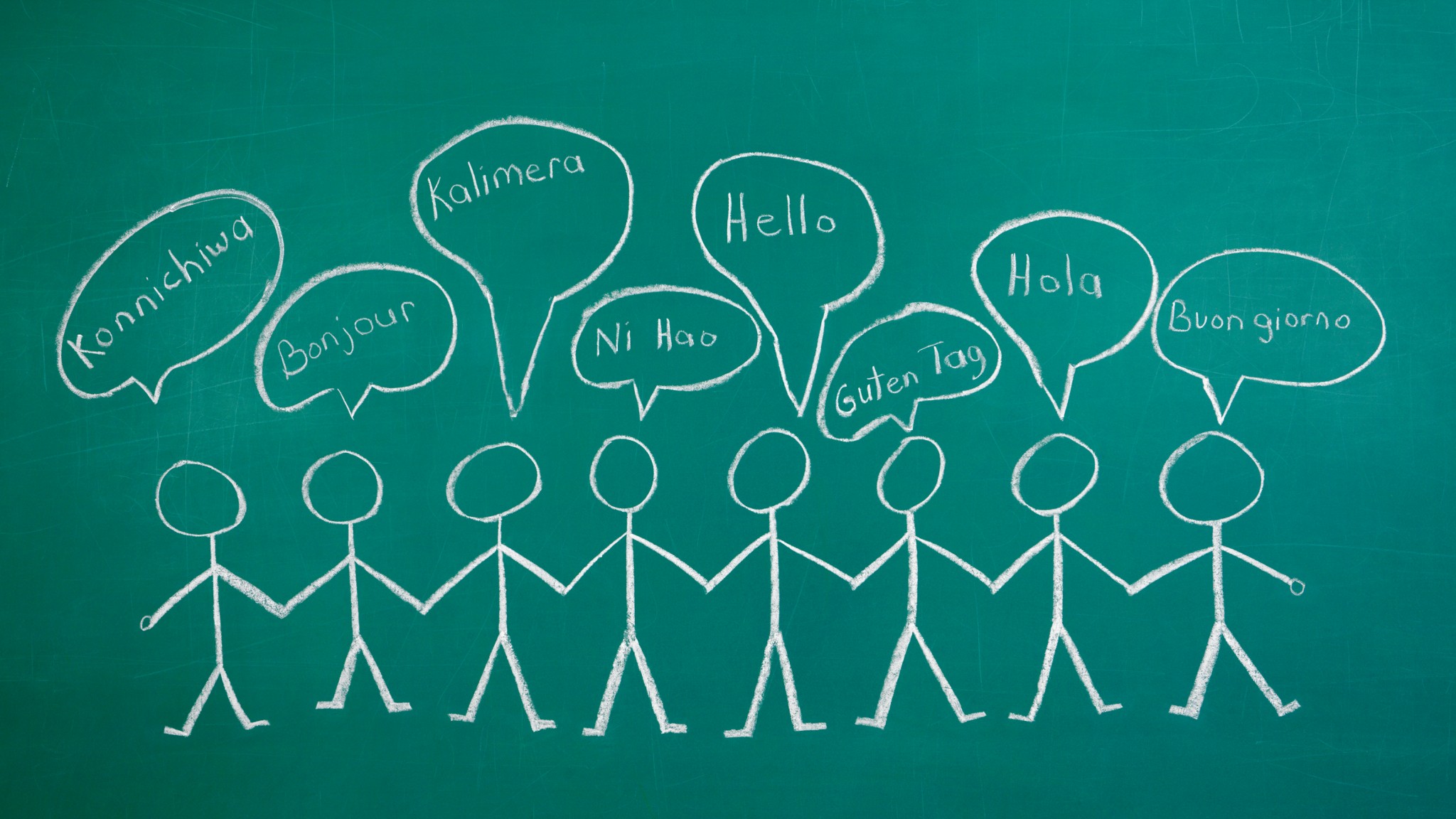
Lost in translation?
Intercultural Competence

By training your intercultural competence, you might be able to avoid what the British novelist and travel writer Rebecca West once described in the following manner: “Intercultural relationships are preordained to be clumsy gestures based on imperfect knowledge.”
Though more and more people are aware that intercultural competence is a useful tool to prepare for expatriate assignments, some statistics about the success of expatriates’ international tasks are rather depressing:
- Up to 40% of all expatriates never finish their original assignments.
- As many as 20% of the prematurely returning managers were not able to cope with living and working in a foreign culture.
- Half of those who do decide to stay abroad may not deliver an adequate performance at their job.
Would intercultural competence have helped them to benefit more from their time as an expat? The proponents of learning about cross-cultural communication would answer this question with a resounding yes. Their approaches may indeed support you in becoming an interculturally effective person (IEP).
Intercultural Effectiveness
Being an IEP doesn’t mean being a VIP: You don’t have to be special or unique to become an interculturally effective person. Intercultural competence is not magic. Ideally speaking, it is a multi-dimensional process with some very pragmatic goals. It should teach you to:
- live and work in another culture without too much discomfort
- improve your communication with other people in a way indicating respect and trust
- adapt your individual behavior and job-related know-how to local conditions.
To reach these goals via intercultural competence, a potential IEP will have to address the following topics and exhibit certain soft skills.
Before You Start
Without a basic willingness to question and improve yourself, any amount of theoretical knowledge or international management seminars will be in vain. Before you begin your training, ask yourself if you agree to examine and change the following areas:
- personal and professional commitment to the task at hand
- approach to networking and relationship-building
- understanding of sensitivity and respect
- leadership style
- background information on intercultural communication
- general commitment to learning about intercultural issues
If you are indeed prepared to fine-tune your respective abilities to another culture, intercultural competence has already begun.
Main Components
In general, cross-cultural training can be described as having two main aspects and three key stages. Its essential dimensions are cognitive content, as well as emotions and affects.
To use less fancy terms than the academic experts in cross-cultural learning, we could put it this way: Intercultural competence is about what you know and what you feel. Awareness – knowledge – skills are therefore three basic training steps.
- Awareness: What is “culture” anyway? Is there more than one kind of culture? How do I personally react to such differences when I encounter them in everyday life?
- Knowledge: What can I find out about my host culture in comparison to my own culture? What sorts of emotions does my research evoke? Am I fascinated, nervous, puzzled, amused, enthusiastic, etc.?
- Skills: Can I apply my theoretical know-how about specific cultural differences to everyday life in another culture? Does this help to adjust my behavior abroad and to better understand the way others behave? Can I thus minimize the impact of culture shock and feel more at ease?
In our articles on Cultural Awareness and Cultural Intelligence, we’ll talk about these three main components of intercultural competence in greater depth.


