Tips for expat women
Medical Checklist for Expat Women
As a woman in a foreign country, the same basic rules for staying healthy and safe abroad apply to you as well as to any other expat: pro-activeness, preparation, and protection. However, you should take a few extra health tips into account. Here are some tried and tested tips on how to prepare for you stay abroad and how to keep healthy as an expat woman.
Important Contact Lists
First of all, each and every woman – just like male expatriates – should look up the contact details of important medical service providers and carry them on her person. These contact details include:
- the address, e-mail, phone and fax number of her family doctor back home
- the national emergency number of the country where she is currently living
- the address, e-mail, phone and fax number of a nearby hospital, ER, or physician recommended by her embassy or consulate
- the complete contact details of the nearest embassy or consulate
- a detailed med sheet for any pre-existing conditions that ER staff should know about.
Pre-Departure Doctor’s Check-Up
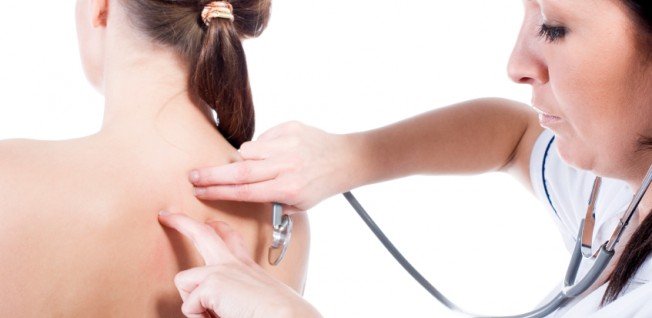
Secondly, any woman who will be going abroad should see her family doctor and her ob/gyn beforehand, about two months before her departure. This is especially the case if she’s planning to live in a rough climate or a nation with lower medical standards.
Your physicians should advise you on immunizations, common diseases, prophylactic treatments, and other health risks. You can start off by reading about travelers' health on the CDC website. If you are going to accompany your partner or spouse, as many women do, you should also talk to her ob/gyn about safe sex – which may include the availability of contraception (more on that below).
Health Risks Abroad
Your awareness of health risks abroad should also include frequent sources of diseases: food and drink, water, and animals. Proper hygiene (washing your hands frequently, using anti-septic wipes, etc.), cleaning fruit and vegetables thoroughly, avoiding raw or dirty foods, and drinking only bottled water will protect you from “Montezuma’s Revenge”, i.e. diarrhea.
If you are unsure about where to show off your new bathing costume, chlorinated swimming pools are usually safe. Apart from clothes for such leisure activities as swimming, you shouldn’t forget to pack insect repellent, mosquito nets, and breathable long-sleeved garments, if necessary.
Medical Supplies
Speaking of packing – a new first-aid kit should always be part of your luggage. Please ask your family doctor, a pharmacy assistant, or an ER nurse for an up-to-date list of recommended items. Don’t forget about hand wipes, sanitary towels, tampons, condoms, and maybe anti-yeast meds.
If you have to take any prescription drugs, do not forget to add a decent supply to your med kit, too. Please take the following advice into account when it comes to prescription medication:
- Keep the drugs in their original package, complete with package insert.
- Take a copy of the original prescription with you.
- Add a brief letter by your doctor explaining why you have to take this medicine.
This should protect you from having your prescription meds confiscated by over-eager customs officers in places with very strict anti-narcotics policies.
In some countries where certain kinds of contraception are less prevalent, these tips might apply to oral contraceptives as well. If you aren’t even sure whether the contraceptive pill is considered socially "acceptable" overseas, you could ask your ob/gyn to mention in their letter that you have to take it for treating menstrual irregularities.


