An Authentic Jordanian Middle Eastern Cuisine
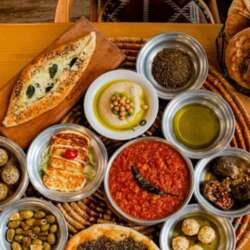


Nearly 90 percent of ingredients used at Protected content are imported from Jordan. Take the za’atar: “wild” za’atar made from thyme found only in Jordan or Palestine. It has a touch more tang and freshness to it. The virgin olive oil, used in many of the dishes, is pressed from trees nourished solely by rainwater.
Even the olives stood out. As someone who once avoided them entirely, I couldn’t stop snacking on these Jordanian olives. Brightly tart and mixed with small pieces of marinated lemon, an olive dish is served almost like a palate cleanser between courses. The finely chopped beet salad struck the right balance of parsley and acidity, while the grilled white cheese coated in a light layer of honey created a contrast between the sweet exterior and the salty core.
Protected content ’s hummus deserves a special mention. It’s made using a 36-hour process, resulting in an incredibly smooth texture that makes the unlimited pita inclusion worthwhile. I think I dipped everything I could in the hummus, including the musakhan rolls, a mixture of chicken, onions, sumac, and olive oil fried in shrak bread (a paper-thin flatbread). You could honestly have a feast with the appetizers alone.
After all that goodness, dessert felt inevitable. The waiter brought out traditional umm ali, puffed pastry dough soaked in a thick milk reduction with loads of cinnamon, raisins, and nuts. It’s kind of like bread pudding but leans towards a not-too-sweet custard. Served warm, it’s a must-try.




























Organized by
Organized by
Membership required
Sorry, but you are not allowed to join this Activity Group!
We are afraid that you cannot join, because the Consuls have limited access to this Activity Group.
If you would like to explore other InterNations Activities in your Local Community, please have a look at this overview page.